
Value your independence but unsure when to loop in family? Sheri offers guidance on balancing privacy and safety as an independent older adult.

“I’m independent. I can make my own decisions. I don’t want my children called every time something happens to me.”
----
I understand.
In fact, I think many independent adults would say the same thing.
You have spent your entire life making your own decisions.
You raised your children.
You worked.
You managed a household.
You paid your bills.
You made your appointments.
You made your own choices.
And now that you live independently, you want to keep that independence.
There is absolutely nothing wrong with that.
But sometimes there is a fine line between protecting your privacy and making sure someone knows when you may need support.
“I Don't Want My Children to Worry.”
Maybe you don't want your daughter to panic.
Maybe you don't want your son calling every five minutes.
Maybe you don't want your family telling you what you should or shouldn't do.
Maybe you simply don't want your children treating you differently because you went to the hospital.
And perhaps you're thinking:
“It was my business. I handled it. I'm home now. Why does everyone need to know?”
I understand that too.
But let's look at this from another perspective.
Independence Doesn't Mean You Have to Do Everything Alone
Being independent means you have the right to make choices about your own life.
It doesn't mean you have to carry every situation completely by yourself.
And it doesn't mean accepting support takes away your independence.
Sometimes letting someone know what happened isn't about giving them control.
It's about giving them an opportunity to care.
Your children may not need to make the decisions for you.
They may simply need to know you're okay.
What Happens When We Keep Everything to Ourselves?
Let's imagine this:
You have a fall.
You go to the hospital.
You get checked out.
Thankfully, you're okay and return home.
You don't tell anyone because you don't want your children to worry.
A few days later, you aren't feeling quite right.
You become dizzy.
You're tired.
You're not eating as well.
But nobody knows you were recently in the hospital.
Your family doesn't know to check in.
The people around you don't know there has been a change.
That's when keeping something private can become a safety concern.
This isn't about taking away your independence.
It's about making sure the people who care about you have enough information to support you if you need it.
There Is a Difference Between “Telling” and “Taking Over”
This is an important conversation for families to have.
If you are an independent adult, your children should not automatically become the people making every decision for you.
You are still an adult.
You still have a voice.
You still have choices.
But there may be times when your family needs to know something important.
And there may be times when you need to clearly communicate:
“I want you to know what happened, but I still want to make my own decisions.”
That's a healthy conversation.
Talk About It Before Something Happens
This is one of the most important things I can encourage families to do.
Don't wait until someone is sitting in a hospital emergency room to have this conversation.
Talk about it now.
Ask:
“Mom, if you go to the hospital, who would you want us to notify?”
Or:
“Dad, if something happens and you need help, who would you want us to contact?”
And if you are the independent adult, tell your family what you want.
You can say:
“I want to remain independent. I don't want you to make decisions for me. But if something significant happens, I want you to know.”
That gives everyone a better understanding of your wishes.
And Families—Please Listen
If your parent tells you they want to remain independent, respect that.
Don't use every doctor's appointment as an opportunity to take over.
Don't assume that because Mom went to the hospital, she suddenly can't make decisions.
Don't treat Dad like a child because he needs medical attention.
Support their independence.
Ask what they need.
Listen.
Offer help.
And understand that sometimes the best thing you can say is:
“I'm here if you need me.”
A Little Reminder From My Heart
To the independent resident reading this:
You are allowed to be independent.
You are allowed to make your own choices.
You are allowed to have privacy.
And you are allowed to decide who you want involved in your life.
But please don't confuse independence with isolation.
There is strength in knowing when to let someone in.
If you go to the hospital, have a fall, experience a significant change, or have something happen that could affect your safety or well-being, consider letting someone you trust know.
Not because you're incapable.
Not because you've lost your independence.
But because you matter to someone.
And to the children reading this:
Your mom or dad may not want you to know everything.
They may not want you hovering.
They may not want you taking over.
And that's okay.
Sometimes loving your parent means knowing when to step forward...
and when to step back.
Independence Your Way. Support When You Need It.
That's what I hope families will remember.
Independence Your Way.
Support When You Need It.
At Bella Vista, we want our independent residents to continue making choices and living their lives.
But we also want them to know that they don't have to navigate every difficult moment alone.
There is a difference between being independent and being alone.
You can be fiercely independent...
and still let someone care about you.
With love,
Sheri
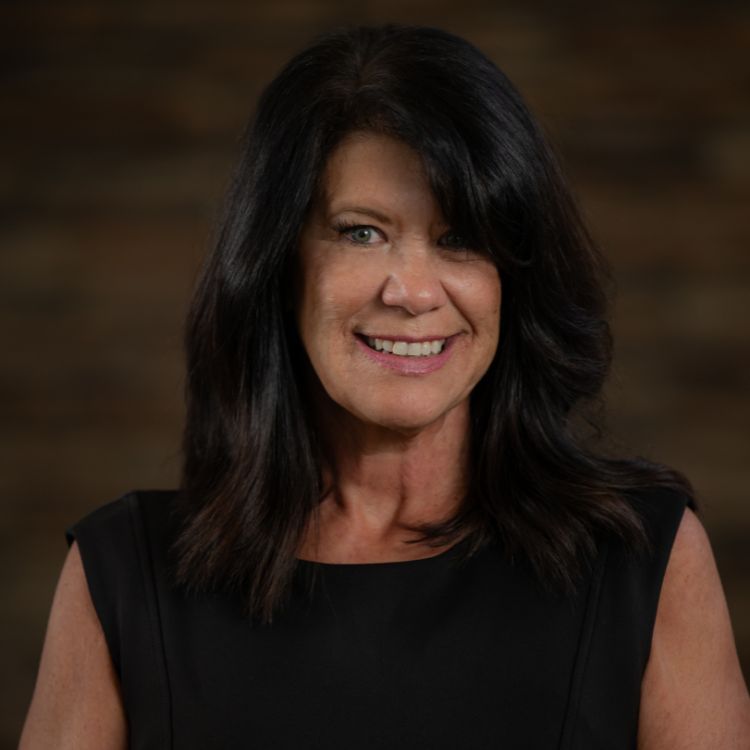
With years of experience and a heart for guiding families, Sheri is your trusted, go-to resource for navigating the complexities of aging. Have a question for Sheri?
Call Sheri at 480-431-8087 or email her directly at sheri@bellavistaseniorliving.com

The best way to experience our community is in person. Tour our campus, explore amenities, and see how independent and assisted living in Mesa, AZ can fit your lifestyle.

.svg)
1825 W. Emelita Ave.
Mesa, Arizona 85202

(480) 964-0410
.svg)


