
Still picturing a nursing home? Today's independent living communities look nothing like the outdated stereotype. Here's what's actually changed.
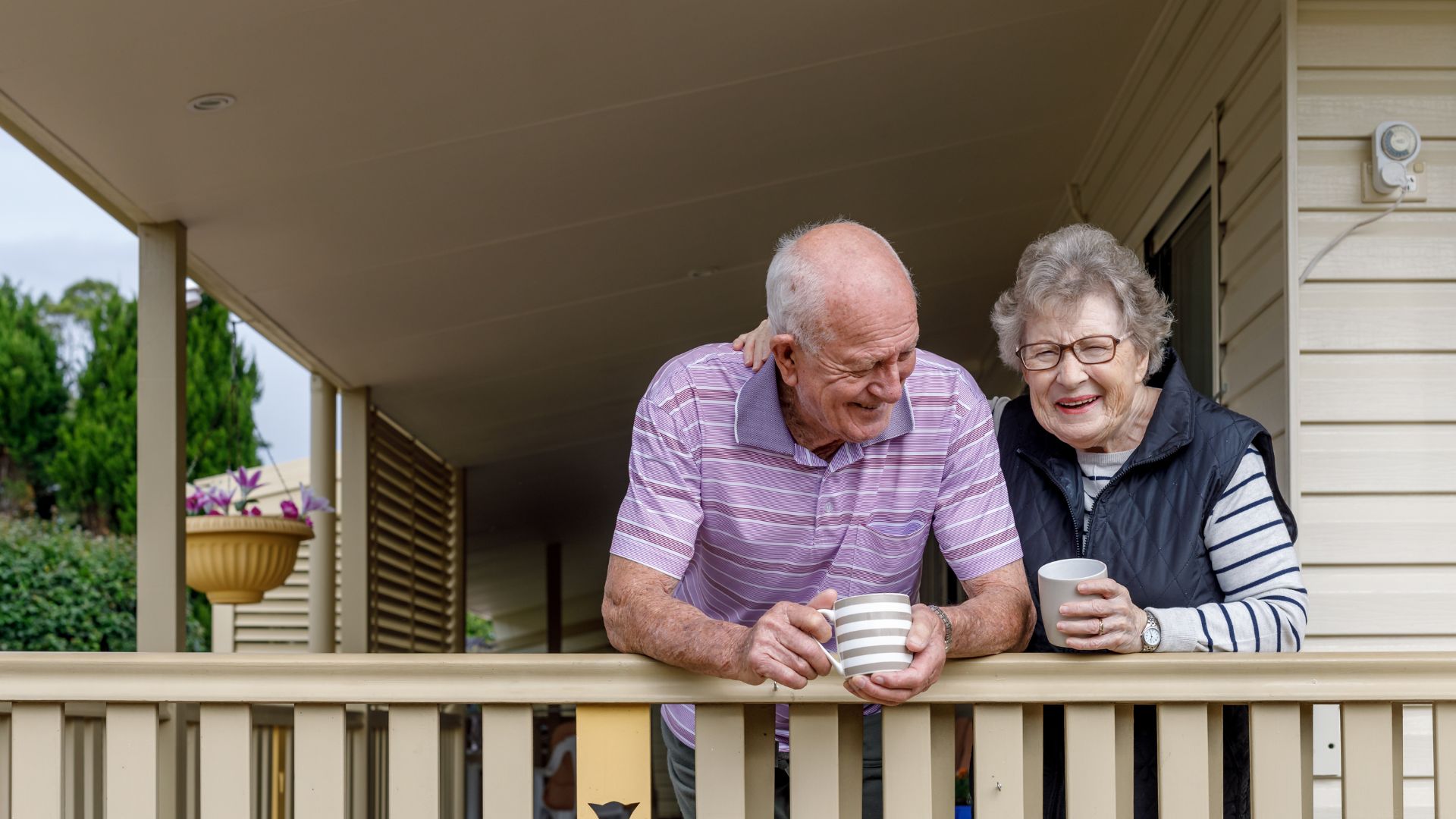
Say the words "senior living community" to someone who hasn't looked into one in the last twenty years, and you'll often get a wince. They're picturing long, quiet hallways, hospital-style rooms, and a loss of independence. That image made sense once. It doesn't anymore.
Independent living today looks a lot more like an all-inclusive resort than an institution, and the gap between perception and reality is one of the biggest reasons people wait far longer than they need to before making a move that could genuinely improve their quality of life. Let's clear up the most common myths, one by one.
This is the biggest misconception, and it's an understandable one, since older facilities and even older media still shape a lot of people's mental image. But independent living is a completely different model built around residents who are active, healthy, and simply ready to be done with home maintenance.
There's no clinical care built into the day-to-day experience. Instead, you'll find fitness studios, dining rooms that feel like restaurants, resident-led clubs, and apartments designed for comfortable, private living. Think less "facility" and more "community with the chores taken care of."
It's actually the opposite. Independent living is designed to give people back the time and freedom that home upkeep quietly eats away at. No more gutters to clean, no more grocery runs in bad weather, no more worrying about who's going to mow the lawn this year.
Residents come and go as they please, keep their own schedules, host visitors, and make their own decisions about how to spend the day. What changes isn't your autonomy. It's the amount of energy you have left over for the things you actually want to do.
In practice, many new residents say the opposite happens: their social calendar gets fuller, not emptier. Communities built around shared amenities naturally create more chances to run into neighbors, join a class, or get pulled into a group outing than a quiet, single-family house on a street where everyone keeps to themselves. And we know that social connections are vital for senior health.
Clubs and interest groups covering everything from card games to art to walking groups give residents an easy, low-pressure way to build new friendships at their own pace.
Independent living isn't a medical setting. It's for people who are generally healthy and self-sufficient but would rather not deal with home maintenance, cooking every meal, or an empty calendar. There's no assumption of declining health built into the decision to move.
Many residents describe it less as "needing help" and more as "choosing convenience," the same way someone might choose a maintenance-free condo over a house with a big yard, just with more community built in.
Downsizing doesn't have to mean downgrading. Most communities offer a range of floor plans, from cozy layouts to more spacious options with private patios or balconies, so residents can choose a space that actually fits how they live.
And with home maintenance, meal planning, and housekeeping handled, many residents find they have more time and energy for hobbies, travel, and family than they did while managing a home on their own.
Dining has changed dramatically. Chef-prepared meals, real dining rooms, and menus designed around resident preferences have replaced the tray-service stereotype. For a lot of residents, mealtime becomes one of the best parts of the day rather than something to dread.
It helps to compare apples to apples. When you add up a mortgage or rent, property taxes, utilities, home repairs, landscaping, and grocery bills, the true cost of living independently at home is often higher than people assume. Independent living rolls many of those costs into one predictable monthly payment, along with amenities and social opportunities that would be difficult to replicate on your own.
The shift comes down to a simple idea: senior living communities stopped designing around care needs and started designing around lifestyle. Fitness centers replaced sterile common rooms. Restaurant-style dining replaced cafeteria trays. Resident-led clubs replaced scheduled activities nobody asked for. The result is a model built for people who still have plenty of living left to do.
For those exploring independent living in Mesa, Arizona, Bella Vista Senior Living offers a renovated campus with a range of amenities and floor plan options designed for a maintenance-free, socially connected lifestyle. It's worth a look if any of the myths above sound familiar.
The version of senior living that shaped so many people's assumptions simply doesn't reflect what these communities look like today. Independent living now means more freedom, more social connection, and less stress, not less of a life. If the word "nursing home" is what's been holding you or a loved one back from exploring the option, it may be time to take another look with fresh eyes.

The best way to experience our community is in person. Tour our campus, explore amenities, and see how independent and assisted living in Mesa, AZ can fit your lifestyle.

.svg)
1825 W. Emelita Ave.
Mesa, Arizona 85202

(480) 964-0410
.svg)


