
Aging in place at home can carry hidden costs. From maintenance to isolation, see why a senior living community may be the better path.
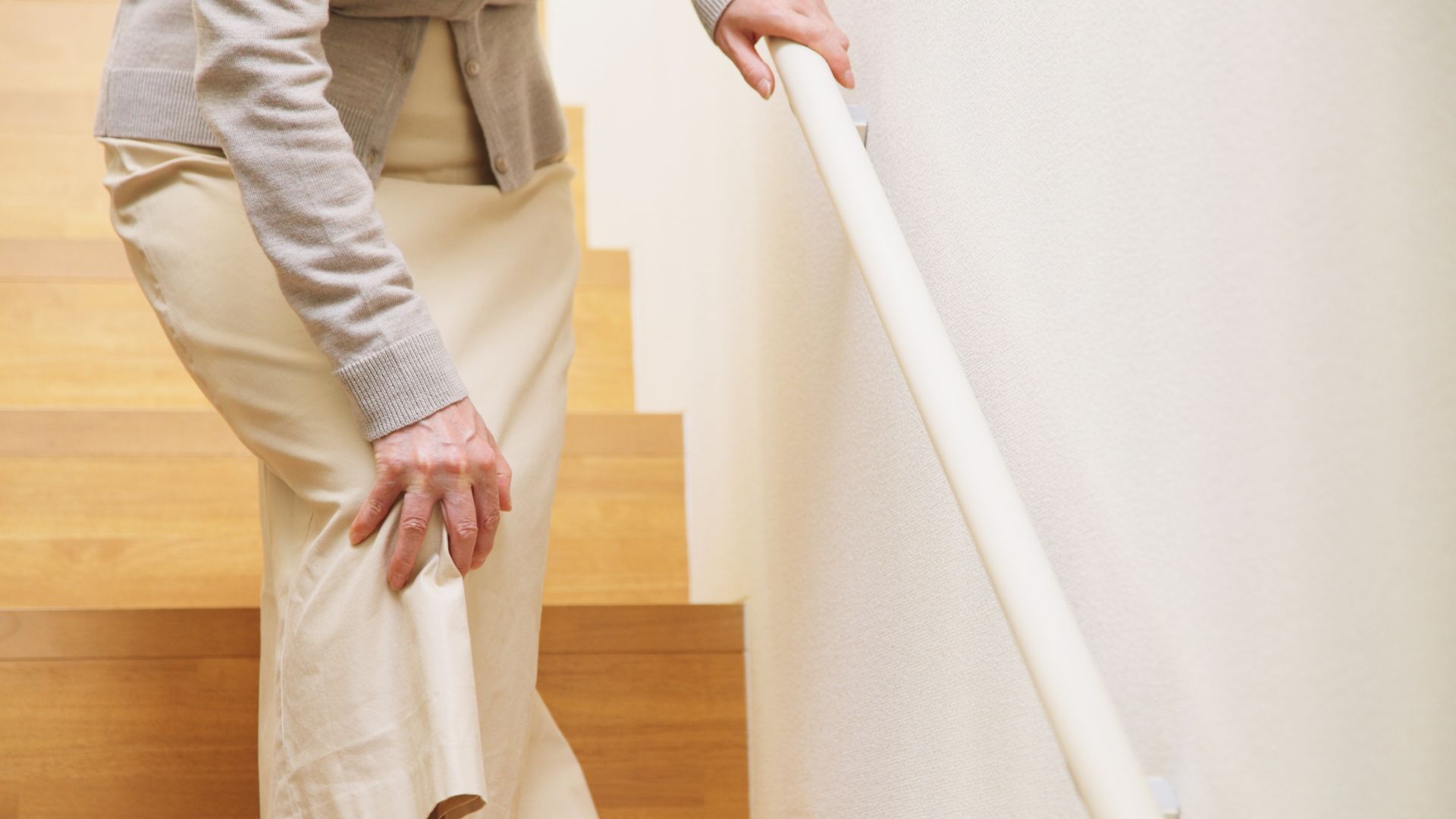
For many older adults, staying in the family home feels like the safest, most familiar choice as the years go by. It is where the memories live, where the garden was planted, where the grandkids visit for the holidays. But "aging in place" is often marketed as a simple, low-cost alternative to moving, when in reality it can carry a long list of expenses, risks, and trade-offs that rarely make it into the brochure. Before deciding to stay put, it is worth taking an honest look at what home really costs as needs change.
Aging in place simply refers to living in your own home and community for as long as possible, rather than relocating to a dedicated senior living setting. For a healthy, active 65-year-old, that might mean nothing more than continuing life as usual. But as mobility, health, and social needs shift over time, the home that once fit perfectly can start to require significant modification, support, and money to remain safe and livable.
A house does not stop needing attention just because its owners are getting older. Roofs still leak, water heaters still fail, and yards still need tending. For older homeowners, these tasks often mean hiring outside help for jobs they once handled themselves, and those costs add up quickly.
None of these are one-time expenses. They recur year after year, often unpredictably, and they tend to increase as a home ages alongside its owner.
Most homes are not designed with aging bodies in mind. Stairs, narrow bathrooms, poor lighting, and slippery flooring can all become serious hazards over time. Falls are one of the most common causes of injury among older adults, and a single fall at home can lead to a hospital stay, rehabilitation, or a permanent loss of independence. Retrofitting a home to reduce these risks, with features like walk-in showers, wider doorways, or emergency response systems, can be expensive and is not always fully effective in an older structure.
One of the least visible costs of staying home is social. As friends move away, driving becomes harder, and mobility declines, it becomes easy to spend long stretches of time alone. Isolation has been linked to a range of health concerns, including cognitive decline and depression, and it can be one of the hardest costs to reverse once it sets in. A home that once buzzed with activity can start to feel quiet and disconnected from the world outside. Options like independent living offer built in community and interactions throughout the day.
When additional help becomes necessary, whether it is a few hours a week or around-the-clock support, in-home caregiving is rarely inexpensive. Costs vary by region and the level of care required, and they tend to climb as needs increase. Families often start with a modest care schedule and find themselves adding more hours, more visits, and more services over time, all while still covering the home's regular expenses on top of it.
Here is the part that often gets missed: aging in place does not have to mean staying in the same house forever. The real goal behind aging in place is comfort, familiarity, continuity of care, and the ability to stay settled without disruptive moves as needs change. A well-designed senior living community can deliver on that same goal, often better than a private home can, by removing maintenance burdens, reducing safety risks, and building in social connection from day one. In many cases, moving into a community built around aging in place is what allows someone to truly stay put for the rest of their life, without the hidden costs piling up in the background.
Bella Vista Senior Living in Mesa, Arizona, is designed around this exact idea. Residents can move from independent living into assisted living care as their needs evolve, all within the same community and without the stress of relocating to a new campus. That continuum of care lets residents age in place in the truest sense, staying connected to friends, routines, and a home they already know, while support quietly grows alongside them.
Staying home can feel like the simplest option, but it often comes with maintenance bills, safety risks, isolation, and rising care costs that are easy to underestimate. True aging in place is less about the address and more about staying settled, supported, and connected as life changes. A senior living community built around that continuum can offer exactly that, often with fewer surprises and more peace of mind than staying in a home built for a different stage of life.

The best way to experience our community is in person. Tour our campus, explore amenities, and see how independent and assisted living in Mesa, AZ can fit your lifestyle.

.svg)
1825 W. Emelita Ave.
Mesa, Arizona 85202

(480) 964-0410
.svg)


